





Explore the benefits of Making Tax Digital and learn how you can improve accuracy, stay organised, and manage your taxes more efficiently.

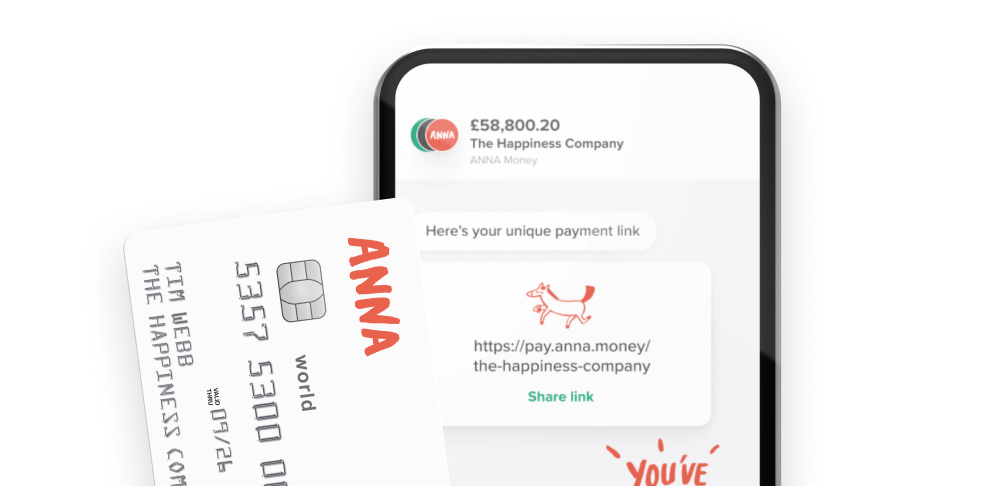
Making Tax Digital (MTD) is transforming the way individuals and businesses manage their taxes in the UK.
For many freelancers, sole traders, and landlords, the shift to Making Tax Digital for Income Tax Self Assessment (MTD for ITSA) might initially feel like just another admin headache.
However, once it’s in place, MTD has the potential to significantly improve the way people track income, understand their tax position, and manage their finances throughout the year.
In this article, we’ll explore the key benefits of Making Tax Digital for Income Tax and explain how it can ultimately make tax management easier and more transparent for everyone.
Key takeaways
- MTD for ITSA changes how tax is reported 📋
Making Tax Digital for Income Tax requires self-employed individuals and landlords to keep digital records and submit quarterly updates to HMRC. This process will replace the single annual tax return you’re familiar with. - Digital record-keeping reduces errors ✅
By recording income and expenses digitally, taxpayers minimise mistakes caused by lost receipts, manual calculations, or spreadsheet errors. This makes tax reporting more accurate and reliable. - Quarterly updates improve financial visibility 👀
Regular updates provide a running view of income and expenses, helping taxpayers keep a closer eye on their business’ performance, plan for tax bills, and make smarter budgeting decisions throughout the year. - Transition to MTD can be easy with the right prep 🙌
Keen to get ahead? Starting digital record-keeping early, reviewing existing bookkeeping processes, checking reporting schedules, and using the right software can make the switch to MTD straightforward and stress-free.
What is Making Tax Digital for Income Tax?
MTD for ITSA changes how self-employed people and landlords keep records and report their income to HMRC. Instead of relying on a single annual tax return prepared long after the tax year has ended, MTD requires taxpayers to keep digital records and submit quarterly updates using compatible software.
There are four key parts of MTD for ITSA:
- Digital records: Taxpayers must keep digital records of their income and allowable expenses using MTD-compatible software. This will replace manual record-keeping and allow financial information to be stored, organised, and submitted electronically.
- Quarterly updates: Every three months, taxpayers are required to send a summary of their income and expenses to HMRC through the software. These updates provide a snapshot of their financial activity during the year.
- The End of Period Statement: At the end of the tax year, taxpayers review their records and submit an End of Period Statement for each business. This confirms that the information reported during the year is accurate and allows for any necessary accounting adjustments.
- The Final Declaration: The final declaration confirms all taxable income for the year, including income outside of self-employment or property. Once submitted, HMRC calculates the final tax bill.
MTD for ITSA is being introduced in phases by HMRC. Most self‑employed people and landlords are required to make the change for accounting periods starting on 6 April 2026.
The benefits of Making Tax Digital for Income Tax
Over time, MTD can make managing tax obligations far more predictable and less stressful. These are some of the key benefits that MTD for ITSA can offer:
Benefit 1: More accurate tax reporting
One of the primary goals of Making Tax Digital is to reduce errors in tax reporting. HMRC has long identified manual record-keeping, lost receipts, and spreadsheet errors as some of the most common causes of incorrect tax returns.
Because information is captured and stored digitally for MTD, there are fewer opportunities for manual mistakes, misplaced paperwork, and incomplete records.
For many taxpayers, this means fewer surprises when submitting their final tax return. Instead of reconstructing a year’s worth of financial activity from memory or scattered documents, the information has already been tracked and organised throughout the year.
Over time, this shift toward digital record-keeping helps create more reliable tax reporting, benefiting both taxpayers and HMRC.
Benefit 2: Better visibility of your tax position
A common drawback with traditional Self Assessment is that many people only find out their exact tax bill at the end of the tax year. By that point, the bill can feel unexpectedly large, especially if income fluctuated throughout the year or if expenses weren’t tracked carefully.
MTD helps address this problem by introducing quarterly updates. While these updates aren’t final tax returns, they can help you:
- Monitor how your business or freelance income is performing
- Understand roughly how much tax you may owe
- Adjust spending, saving, or budgeting decisions accordingly
Instead of dealing with a single annual snapshot, you’ll get a more continuous view of your financial position, which makes tax planning significantly easier.
Benefit 3: Reduced end-of-year stress
For many freelancers and sole traders, the period leading up to the Self Assessment deadline can be stressful. Searching for receipts, reconciling bank statements, and sorting through invoices is time-consuming and takes you away from day-to-day business.
MTD distributes this workload across the year.
Because income and expenses are recorded digitally and updates are submitted quarterly, much of the work is completed before the final declaration is due.
This shift from one large annual task to smaller, ongoing updates can make tax compliance far more manageable.
Benefit 4: Improved financial organisation
Adopting digital record-keeping often leads to better overall financial organisation – not just better tax reporting.
When income, expenses, and invoices are tracked consistently, it becomes easier to understand how money flows through your business. Patterns become clearer, spending habits are easier to analyse, and you can make financial decisions with more confidence.
This level of organisation can help individuals:
- Identify unnecessary expenses
- Track profitability more accurately
- Plan for future investments or growth
- Maintain a clearer separation between business and personal finances
For freelancers and small business owners, these insights can be just as valuable as the tax compliance benefits.
Benefit 5: Greater transparency with HMRC
Another objective of MTD is to improve transparency between taxpayers and HMRC. Instead of relying solely on an annual tax return, HMRC receives periodic updates that reflect financial activity during the year.
This approach helps ensure that records are more consistent and easier to verify. When financial information is maintained digitally and updated regularly, discrepancies can be identified earlier, and potential issues can be addressed before they grow into larger problems.
From a taxpayer’s perspective, this transparency can lead to a more predictable and stable relationship with the tax system, reducing your worries about what information HMRC expects and how it’s reported.
Benefit 6: Easier collaboration with accountants
Digital records and regular updates make it easier for accountants to review financial data throughout the year rather than once a year when they’re preparing a tax return. This means they can offer more timely advice and identify potential issues earlier.
For example, an accountant may be able to:
- Flag deductible expenses that were overlooked
- Suggest tax-efficient strategies before the year ends
- Ensure records are categorised correctly
This collaborative approach can help small businesses and self-employed people get the most from their accountant throughout the year.
Benefit 7: Faster access to financial information
With traditional bookkeeping methods, you’ll often find yourself sifting through spreadsheets, paper records, or multiple systems to find specific information.
With digital record-keeping, income, expenses, invoices, and receipts can all be stored in one place, making it far easier to find the info you need.
This can be particularly helpful when:
- Preparing financial statements
- Applying for loans or mortgages
- Working with accountants
- Responding to HMRC queries
Having organised digital records means that key financial details are always at hand when you need them.
How to make the move to MTD for ITSA seamlessly
Moving to Making Tax Digital for Income Tax may feel like a significant change, especially for freelancers and landlords who are used to managing their records manually or only reviewing their finances once a year. However, with a few practical adjustments, the transition can be far smoother than many people expect.
- Start organising your records digitally: If you currently rely on paper receipts, spreadsheets, or scattered files, one of the most helpful first steps is to begin organising your records digitally. Bringing income, expenses, and invoices into a single system makes it much easier to maintain the digital records required under MTD.
- Review your current bookkeeping process: MTD encourages more consistent record-keeping throughout the year. Looking at how you currently track income and expenses can help you identify areas where small improvements could save time later.
- Understand the new reporting schedule: Get familiar with new MTD deadlines in advance to help plan your bookkeeping routine and avoid last-minute stress.
- Choose software that simplifies the process: The right software can make the transition to MTD much easier. Tools designed for landlords, freelancers, and small businesses can automate large parts of the process, from categorising transactions to generating the required submissions.
- Think of MTD as an upgrade to your financial workflow: Rather than viewing MTD purely as a compliance requirement, think of it as an opportunity to improve your financial record-keeping.
With the right preparation and tools, switching to MTD for ITSA can become a straightforward process that makes managing your finances clearer and simpler.
Get MTD for FREE with ANNA
With ANNA, MTD is free for new and existing customers. If you sign up for ANNA, we’ll prepare and file your regular 2025/26 Self Assessment for free, too.
Better yet, if you already filed 2025/26 with a different software, we’ll refund you when you open an ANNA account. So you start the new tax year with a little extra cash in your pocket – and all the support of our Auto Accountant to tackle MTD.
Here’s what you get with ANNA’s fully automated, HMRC-recognised MTD solution:
- MTD updates prepared automatically and ready to file quarterly
- Year-end Self Assessment filed, so you can submit your final declaration to HMRC
- 2025/26 Self Assessment filed for free – connect your HMRC account to unlock
- Auto Accountant takes care of your bookkeeping
- 24/7 Auto Accountant support, providing jargon-free answers to any tax queries
- Automatic VAT Return calculation and direct filing with HMRC
- Invoicing with card payments, so you get paid faster
- Personalised tax calendar for your business
- Easily pay one employee through payroll with automated PAYE and NICs
Got a burning question about MTD, or need some extra tax support? We’re here to help – in the app, 24/7.
Read the latest updates

![What Is the Threshold for Making Tax Digital? [Guide]](https://storage.googleapis.com/anna-website-cms-prod/small_cover_3057_f0f2ffd268/small_cover_3057_f0f2ffd268.webp)


![Making Tax Digital for Freelancers [Complete 2026 Guide]](https://storage.googleapis.com/anna-website-cms-prod/small_cover_3000_25_15d6713572/small_cover_3000_25_15d6713572.webp)
![How to Sign Up for Making Tax Digital [A Detailed Guide]](https://storage.googleapis.com/anna-website-cms-prod/small_cover_3031_86f7f6f18a/small_cover_3031_86f7f6f18a.webp)
![MTD ITSA for Landlords [+6 Software Options Compared]](https://storage.googleapis.com/anna-website-cms-prod/small_cover_3025_77131ed4c8/small_cover_3025_77131ed4c8.webp)
![How to Choose the Best MTD Bridging Software [+Comparison]](https://storage.googleapis.com/anna-website-cms-prod/small_cover_3000_22_ba8f9dee9d/small_cover_3000_22_ba8f9dee9d.webp)
You may also like
![Making Tax Digital Costs: What Will MTD Cost You? [Breakdown]](https://storage.googleapis.com/anna-website-cms-prod/small_cover_3051_a896b063b0/small_cover_3051_a896b063b0.webp)
![9 Features to Look for When Choosing MTD Software [+Steps]](https://storage.googleapis.com/anna-website-cms-prod/small_cover_3000_32_ec1954cac9/small_cover_3000_32_ec1954cac9.webp)




Open a business account in minutes
