
How to Start a Podcast Business: Complete 2026 Guide


Discover how to start a podcast business so you can plan your launch, build your brand, grow your audience, and turn your podcast into income.

In this article
- Key points
- Podcasts in 2026: what the market tells us
- How to start a podcast business: Before you start
- How to start a podcast business: Getting the essentials
- How to start a podcast business: Legal requirements
- What are the costs of running a podcast business?
- What are your tax obligations?
- Ready to launch your podcast business? ANNA’s here to help
Podcasting has grown from a niche hobby into a powerful platform. A well-run podcast business can help you share your voice, build a loyal audience, and even generate income. But turning a podcast into a business takes more than recording a few episodes - it requires planning, consistency, and strategy.
So, if you want to learn the ins and outs of how to start a podcast business, we’re here to help. From brainstorming to launching and growing, this guide will walk you through everything you need to turn your dream podcast into a reality.
Key points
- Podcasting is now mainstream 📈
Podcast listening has moved into the mainstream in the UK, with a majority of adults having listened. This signals strong and sustained audience demand rather than a niche trend. - Strong market growth and monetisation potential 💰
The industry is expanding rapidly, with double-digit CAGR projections and multi-billion-dollar revenue forecasts. This shows clear opportunity for creators to build real income streams through ads, sponsorships, and subscriptions. - Success depends on niche and consistency 🎯
With so much competition, the most successful podcasts focus on a clear niche and maintain a consistent publishing schedule. This helps build loyal audiences and improves discoverability. - Low barrier to entry, but quality still matters 🎙️
Starting a podcast is relatively affordable, with basic equipment and hosting tools accessible for a few hundred pounds. However, clear audio, structure, and planning are key to standing out. - Business setup and tax planning are essential for growth 🚀
Once a podcast starts generating income, handling taxes, expenses, and compliance becomes important. Tools like ANNA can simplify company setup, invoicing, tax tracking, and filings, helping creators stay compliant while focusing on content creation.
Podcasts in 2026: what the market tells us
- Podcasting has moved well beyond a niche hobby. Recent research shows that in 2025, 68% of UK adults aged 16+ (about 33 million people) have listened to a podcast.
- Growth is strong: the UK podcast market generated USD 1,787.9 million in revenue in 2024, and is expected to grow at a compound annual growth rate (CAGR) of about 26.3% from 2025 - 2030, reaching USD 7,411.0 million by 2030.
These figures show that there is both broad demand from listeners and increasing monetisation potential. That makes podcasting a business opportunity worth exploring in 2026.
Trends in the UK Market
- Listening frequency is rising: More people are listening monthly, and more regularly. There are record highs in “ever listened”, monthly, and weekly listener figures.
- Device and platform use is shifting: Smartphones remain the main way people listen, but smart TVs, smart speakers, and in-car audio/connectivity (CarPlay/Android Auto) are increasing in popularity.
- Video and audio blend: Some listeners are engaging with podcasts in video format. This trend is gradually growing.

With all of this in mind, it’s no wonder more and more people are turning to podcasting not just as a side hustle, but also as a full-time business. However, launching a proper business takes more than a microphone and a good story. You’ll need a clear plan, consistent effort, and a bit of creative strategy.
How to start a podcast business: Before you start
Podcasting is crowded, but that’s a good thing - it proves people are listening. The trick is finding your space within it. And nothing helps here more than having a good strategy even before you ever hit record. Here’s what you should do before you start your podcast business:
Choose your niche
You can’t appeal to everyone. Entertainment in general is a very subjective thing, and podcasting is no different. Start by researching existing shows in your area of interest. Notice what they do well and where there might be gaps.
Maybe you want to start a podcast about sustainable fashion, small-business life in the UK, or digital marketing for beginners. Whatever it is, go deep enough to be useful but broad enough to keep ideas flowing. A niche won’t limit you - it will give you clarity and help build a loyal audience.
Create your podcast’s identity
Think of your podcast as a brand. Everything about it, from the name to the artwork, should be recognisable and consistent. Your listeners will recognise these things as yours, and it will make your podcast more memorable and more discoverable:
- Name: Short, memorable, and clear. Avoid complicated wordplay that’s hard to spell or search.
- Cover art: Professional, readable even on a phone screen, and reflective of your style.
- Tone: Are you chatty and informal, or structured and informative? Pick a tone that fits both your personality and your audience.
- Intro and outro: A simple jingle or short script helps listeners instantly recognise your show.
This brand identity builds familiarity, which is crucial for attracting subscribers and impressing potential sponsors.
Plan out your format and structure
Your format gives your podcast structure and rhythm. Think about:
- Type: Solo show, co-hosted chat, or guest interviews.
- Episode length: Around 20 - 40 minutes is ideal for most topics.
- Frequency: Weekly or fortnightly works well - consistency beats intensity.
- Recurring segments: Quick tips, listener questions, or news round-ups can keep content fresh.
Once you pick a structure, stick to it long enough for listeners to get comfortable.
Plan your content
The best podcasts sound natural but are always well prepared. Build a content plan before you start recording:
- Brainstorm at least 20 episode ideas in advance.
- Outline each one with key talking points or questions.
- Use a simple spreadsheet or calendar tool to track recording, editing, and publishing.
- Mix in evergreen topics (always relevant) with timely discussions.
Having a bank of ideas avoids dry spells and helps you stay consistent, which is the real key to growth.
How to start a podcast business: Getting the essentials
Before you hit record, you need to make sure you’ve got the right setup. You don’t need a studio full of expensive gear or a sound engineer on standby - what matters most is clarity, consistency, and confidence. With a few smart choices, you can create a professional sound from your living room or home office.
Get your equipment and software
You don’t need a fancy studio to sound professional - but clear, crisp audio makes a world of difference.
Your essentials:
- A reliable USB microphone for clean sound
- Comfortable headphones to monitor your recording
- A quiet room (soft furnishings help absorb echo)
- A pop filter to soften harsh “p” and “s” sounds
Helpful software:
- Recording and editing: Audacity, GarageBand, or Adobe Audition
- Remote interviews: Riverside, Zencastr, or Zoom
- Hosting: Buzzsprout, Podbean, or Transistor - these are platforms that store and distribute your episodes to streaming services such as Spotify and Apple Podcasts
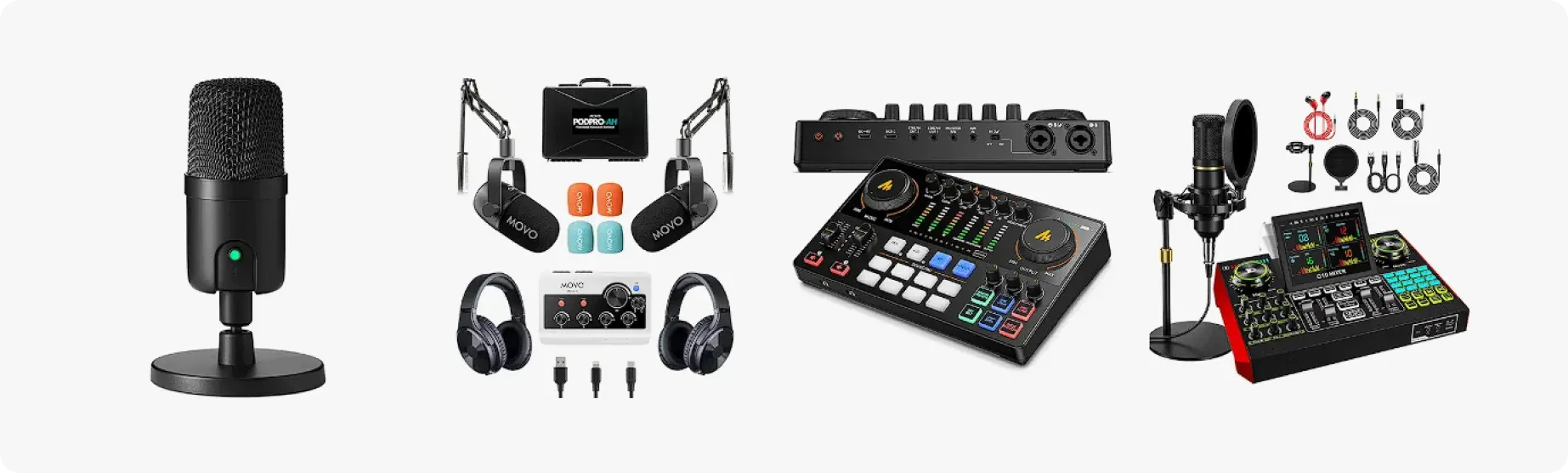
Start with the basics. You can always upgrade your gear or hire technical help as your podcast grows. What matters most is sounding clear, consistent, and authentic from day one.
How to start a podcast business: Legal requirements
Once you have all of the essentials, it’s worth getting your business side sorted.
Do you need to register a company?
If you’re planning to earn an income from your podcast, you’ll need to register with the authorities. You can either trade as a sole trader or register a limited company, and each option has its own pros and cons.
If you’re just testing the waters, starting out as a sole trader is simple and quick. But if you’re serious about growing your podcast brand, working with sponsors, or hiring others, a limited company can make you look more professional and offer added financial protection.
💡Tip: You can easily set up your business in minutes with ANNA, including your company registration, business account, and invoicing tools - all in one place.
Licences, insurance, and compliance
Unlike regulated trades, podcasting doesn’t require specific licences. However, there are still a few things to keep in mind:
- Music rights: If you plan to use copyrighted music or clips, make sure you have permission or use royalty-free audio.
- Privacy and data: If you collect listener data (like emails for newsletters), you’ll need to comply with GDPR rules.
- Insurance: Public liability or business insurance isn’t always necessary for solo podcasters, but it’s worth considering if you host live events or collaborate with others.
Overall, podcasting is one of the easier businesses to get off the ground legally - but treating it professionally from day one helps you grow faster and avoid issues later.
What are the costs of running a podcast business?
Starting a podcast business is one of the most affordable ways to enter the media world, but it still comes with some costs to consider.
Typical startup costs
Most podcasters can get started with:
- A microphone, headphones, and a pop filter (£100 - £300 total)
- Recording and editing software (many free options available)
- Podcast hosting platform subscription (£10 - £25/month)
- Optional branding or website setup to promote your show
If you want to record interviews in person or rent studio space occasionally, factor in hourly studio fees (£30 - £60/hour in most UK cities).
Ongoing operational costs
Once you’re up and running, expect some monthly expenses such as:
- Podcast hosting or website maintenance
- Editing software subscriptions
- Marketing or social media tools
- Outsourced services (freelancers for editing, design, or promotion)
These usually stay manageable - around £50 - £150 per month for small podcast businesses.
Pricing, income, and profit potential
Most podcasts start small but can scale quickly with consistent growth. You can earn through:
- Sponsorships and ads
- Patreon or listener subscriptions
- Affiliate marketing
- Merchandising and live events
Many podcasters start monetising once they reach around 1,000 - 5,000 downloads per episode. Profit margins are high since your main costs are time and marketing, not materials or stock.
Here are all the costs at a glance:
| Category | Item | Estimated Cost |
| Startup Costs | Microphone, headphones, pop filter | £100 - £300 |
| Recording/editing software (e.g. Audacity, GarageBand) | Free - £20/month | |
| Podcast hosting (Buzzsprout, Podbean, Transistor) | £10 - £25/month | |
| Branding, artwork, or website setup | £50 - £200 | |
| Optional studio hire (occasional use) | £30 - £60/hour | |
| Ongoing Costs | Hosting and website maintenance | £10 - £25/month |
| Editing software subscriptions | £10 - £30/month | |
| Marketing and social media tools | £10 - £50/month | |
| Freelance services (editing, design, promotion) | £20 - £100/month | |
| Estimated Monthly Running Costs | (average for small podcast business) | £50 - £150/month |
| Estimated Total Startup Investment | (equipment, setup, and initial tools) | £200 - £600 |
What are your tax obligations?
Once your podcast starts bringing in money, it’s time to think about taxes and bookkeeping. It might not be the most exciting part of running a creative business, but keeping it organised from the start saves a lot of stress later.
Tax obligations
Your tax responsibilities depend on how your podcast business is set up:
- Sole trader: You’ll pay Income Tax on your profits and submit an annual Self Assessment to HMRC. You’ll also need to keep basic records of your income and expenses.
- Limited company: You’ll pay Corporation Tax on profits, file annual accounts with Companies House, and submit a Company Tax Return. You’ll also need to manage payroll if you pay yourself a salary or hire others.
💡Tip: If you want to do less bookkeeping and more creating, ANNA has you covered. With both a Self Assessment automation tool and automatic bookkeeping for limited companies, you can stay on top of all your tax obligations right from your phone, no matter what kind of business you run.
When to register for VAT
You’ll need to register for VAT if your business turnover exceeds £90,000 in a 12-month period.
Even if you’re below that limit, you can choose to register voluntarily, which sometimes makes sense if you work with other VAT-registered businesses or incur lots of reclaimable expenses.
End-of-year tax filing
At the end of each tax year, you’ll need to file your returns depending on your setup:
- Sole traders: File a Self Assessment by 31 January each year.
- Limited companies: File your Company Tax Return and annual accounts, usually within 9 months of your year-end.
Setting calendar reminders can help you stay on top of these tax deadlines.
Ready to launch your podcast business? ANNA’s here to help
Turning your passion into a business shouldn’t be complicated - and with ANNA, it isn’t. Whether you’re recording your first episode or signing your first sponsorship deal, ANNA takes care of the admin so you can focus on growing your audience and creating great content.
Here’s how ANNA can make your podcast business run smoothly:
- Quick company registration - Set up your limited company in minutes, with no confusing paperwork.
- Business account and debit card - Keep your podcast income separate from personal spending, and stay on top of cash flow.
- Smart money pots – Automatically set aside a percentage of your income for tax, helping you avoid cash flow surprises when HMRC payments are due.
- Real-time tax estimates – See how much tax you're likely to owe as you earn, so you can plan ahead with confidence.
- All your taxes calculated and filed – Have everything from VAT and Corporation Tax to Self Assessment handled for you.
- Payroll made simple – Run payroll, calculate employee wages and deductions, and stay compliant with HMRC requirements in just a few clicks.
- Smart invoicing - Send professional invoices to sponsors or clients and get paid faster.
- Automatic expense tracking - Snap receipts, track equipment purchases, and record studio costs effortlessly.
- Tax and VAT reminders - Never miss a Self Assessment or VAT deadline again. ANNA keeps you compliant automatically.
- 24/7 UK-based support - Get real human help any time you need it, whether you’re setting up, filing, or figuring out next steps.
Register with ANNA and spend less time worrying about paperwork and more time doing what you love.
Read the latest updates

![What Is Marginal Relief? [Everything You Need to Know]](https://storage.googleapis.com/anna-website-cms-prod/small_cover_3000_130_1ef44f67d1/small_cover_3000_130_1ef44f67d1.webp)


You may also like
![How to Start a Massage Therapy Business? [Complete Guide]](https://storage.googleapis.com/anna-website-cms-prod/small_Cover_3000_Landscaping_Business_Names_Creative_Name_Ideas_99e255e6ff/small_Cover_3000_Landscaping_Business_Names_Creative_Name_Ideas_99e255e6ff.webp)
![How to Start a Fitness Business in 2026 [Step-by-Step Guide]](https://storage.googleapis.com/anna-website-cms-prod/small_Cover_3000_Landscaping_Business_Names_Creative_Name_Ideas_aaa987e130/small_Cover_3000_Landscaping_Business_Names_Creative_Name_Ideas_aaa987e130.webp)
![How to Start a Hotel Business in the UK? [Complete Guide]](https://storage.googleapis.com/anna-website-cms-prod/small_Cover_3000_How_to_Start_a_Car_Detailing_Business_Successfully_e82eaba3bd/small_Cover_3000_How_to_Start_a_Car_Detailing_Business_Successfully_e82eaba3bd.webp)
![How to Start a Delivery Business in the UK [2026 Guide]](https://storage.googleapis.com/anna-website-cms-prod/small_Cover_3000_How_to_Start_a_Delivery_Business_in_the_UK_2025_0e1cced456/small_Cover_3000_How_to_Start_a_Delivery_Business_in_the_UK_2025_0e1cced456.webp)
![How to Start a CBD Oil Business in the UK? [Complete Guide]](https://storage.googleapis.com/anna-website-cms-prod/small_Cover_3000_Landscaping_Business_Names_Creative_Name_Ideas_8e3b596ec1/small_Cover_3000_Landscaping_Business_Names_Creative_Name_Ideas_8e3b596ec1.webp)

![How to Start a Home Cleaning Business in the UK? [Guide]](https://storage.googleapis.com/anna-website-cms-prod/small_Cover_3000_Landscaping_Business_Names_Creative_Name_Ideas_238520116c/small_Cover_3000_Landscaping_Business_Names_Creative_Name_Ideas_238520116c.webp)
![How to Start a Poultry Farm Business in the UK? [Guide]](https://storage.googleapis.com/anna-website-cms-prod/small_Cover_3000_Landscaping_Business_Names_Creative_Name_Ideas_60080689ee/small_Cover_3000_Landscaping_Business_Names_Creative_Name_Ideas_60080689ee.webp)
![How to Start a Social Media Management Business? [Guide]](https://storage.googleapis.com/anna-website-cms-prod/small_Cover_3000_Landscaping_Business_Names_Creative_Name_Ideas_ffc57d2347/small_Cover_3000_Landscaping_Business_Names_Creative_Name_Ideas_ffc57d2347.webp)
![How to Start a Car Detailing Business Successfully [Guide]](https://storage.googleapis.com/anna-website-cms-prod/small_Cover_3000_How_to_Start_a_Car_Detailing_Business_Successfully_af5c929357/small_Cover_3000_How_to_Start_a_Car_Detailing_Business_Successfully_af5c929357.webp)
![How to Start a Digital Marketing Business [Step-by-step Guide]](https://storage.googleapis.com/anna-website-cms-prod/small_Cover_3000_How_to_Start_an_Accounting_Business_Step_by_Step_9df0cd05fb/small_Cover_3000_How_to_Start_an_Accounting_Business_Step_by_Step_9df0cd05fb.webp)
![How to Start a Petrol Station Business in the UK [Guide]](https://storage.googleapis.com/anna-website-cms-prod/small_Cover_3000_Landscaping_Business_Names_Creative_Name_Ideas_78f637cb9c/small_Cover_3000_Landscaping_Business_Names_Creative_Name_Ideas_78f637cb9c.webp)
![How to Create a Business Name That Wins in 2026 [Guide]](https://storage.googleapis.com/anna-website-cms-prod/small_cover_3000_How_to_Restore_a_Dissolved_Company_in_the_UK_1a381ce8a4/small_cover_3000_How_to_Restore_a_Dissolved_Company_in_the_UK_1a381ce8a4.webp)
![How to Start a Virtual Assistant Business from Home? [Guide]](https://storage.googleapis.com/anna-website-cms-prod/small_Cover_3000_How_to_Start_a_Virtual_Assistant_Business_from_Home_2277d4757c/small_Cover_3000_How_to_Start_a_Virtual_Assistant_Business_from_Home_2277d4757c.webp)
Open a business account in minutes
