
How to Start a Digital Marketing Business [Step-by-step Guide]


Discover how to start a digital marketing business so you can choose your niche, stay compliant, attract clients, and build your brand.

In this article
So, you’ve been thinking about starting a digital marketing business, but every time you try to figure out where to start, it feels like too much.
There’s a ton of advice out there, and most of it just leaves you more confused. Frustrating, right?
You know this industry has huge potential, but you just need someone to lay it out clearly, without all the jargon.
That’s where we step in to provide no-fluff steps on how to start a digital marketing business while staying legally compliant.
Key points
- Choose a clear niche 🎯
Focusing on a specific service or industry can help you stand out, build expertise, and attract clients who are willing to pay for your skills. You can still develop a T-shaped skill set, with broad marketing knowledge and deeper expertise in one or two areas. - Choose the right business structure 🏢
You can start as a sole trader, partnership, or limited company, depending on your circumstances and growth plans. Consider your liability, tax responsibilities, admin, and whether you plan to hire or work with larger clients. - Get your legal and tax responsibilities right 📋
Most digital marketing businesses don't need special licences, but you may have obligations around data protection, marketing communications, intellectual property, and tax. Keep an eye on VAT and Making Tax Digital thresholds as your business grows. - Keep your business admin in one place 🚀
From registering your company and opening a business account to handling bookkeeping, payroll, VAT and tax filings, the right tools can save you time as your business grows. ANNA brings these tasks together in one place, helping you manage your finances and stay on top of your business admin without juggling multiple platforms.
What does the UK digital marketing market size tell you?
If you’ve been paying attention to the UK’s digital marketing space, you already know: it’s thriving.
In 2024, the industry was worth about $30.14 billion, and it’s showing no signs of slowing down.
Over the next decade, it’s expected to grow at an impressive 11.1% CAGR, hitting roughly $86.35 billion by 2034.
Digital advertising alone is a powerhouse, pulling in close to £40 billion in 2025 and still climbing by around 10% every year.
What’s fueling the boom?
A few big trends are shaping the direction of digital marketing in the UK right now:
- eCommerce is exploding. Online shopping keeps breaking records, and that means more competition and more demand for creative digital marketing.
- AI is everywhere. About 94% of marketers are already using AI tools to fine-tune targeting, personalise content, and automate campaigns.
- It’s all about mobile. With 93% smartphone use across the country, mobile campaigns now see 45% higher engagement than desktop.
Where’s the money going?
The UK is one of Europe’s biggest digital ad markets, and spending is set to reach £45 billion by 2026.
Retail leads the pack, with nearly £10 billion expected by 2027, but industries like healthcare, finance, and education are catching up fast thanks to smarter, AI-driven marketing.
How to start a digital marketing business in 7 steps
Let’s see how you can start your digital marketing business, from choosing your niche and setting up your brand to landing your first clients.
Step 1: Choose your niche
Your niche shapes your brand identity, who you work with, and how profitable you can become.
When you focus on a specific area or industry, you get to sharpen your skills, stand out from the crowd, and attract clients who trust you know their world. And that trust often means higher fees and longer-term partnerships.
Not sure where to start? Here are a few solid directions:
- SEO: Great if you’re analytical and love long-term growth strategies. You’ll help businesses boost visibility and traffic.
- PPC: Perfect for results-driven marketers who love data, testing, and quick wins.
- Social media management: Ideal if you’re creative and love engaging communities online.
- Content marketing: Suited for storytellers who can create blogs, videos, and campaigns that build authority.
- Email marketing: For those who enjoy crafting messages that convert and drive ROI through automation and personalisation.
How to find your sweet spot?
Ask yourself:
- What am I good at, and what do I actually enjoy?
- Where’s the market demand right now?
- What are other agencies not doing well?
- Can I test my niche with a few clients first?
💡 It’s okay to start with a bit of everything: what’s called a T-shaped skill set.
That means knowing the basics across all marketing areas, but going deep in one or two.
Step 2: Register your business legally
Before you dive into client work or branding, you’ll need to decide how to set up your digital marketing business legally.
It means choosing between being a Sole Trader, a Partnership, or a Limited Company.
Sole Trader
This is the simplest way to get started: quick setup, minimal paperwork, and easy to manage. But the catch is that you’re personally responsible for any debts your business takes on.
It’s a great choice if you’re freelancing or testing the waters. You’ll just need to let HMRC know for self-assessment, and you can optionally register a trading name.
Partnership
If you’re teaming up with someone, a partnership might make sense. You share the profits, but also the responsibilities and liabilities.
It’s important to have a Partnership Agreement in place and register with HMRC so everything’s clear from the start.
Limited Company
If you’re thinking bigger, maybe hiring people or working with corporate clients, a Limited Company offers more protection.
Your personal assets are separate from the business, which limits your financial risk.
You’ll need to register with Companies House and keep up with annual filings and proper records, but it can boost your credibility as you grow.
✨ Good to know:
With ANNA’s Name Checker, you can check whether your dream business name is available, register with Companies House at no cost to you, and open a bank account, all in one go.
Step 3: Get the necessary licences and permits
Most digital marketing businesses don’t need special licenses to operate.
However, if your work touches on regulated industries, such as financial services, health, or online gambling, you’ll want to double-check the rules.
In some cases, you might need FCA approval or other specific permissions before you can start promoting those kinds of clients.
Also, if you’re planning to do telemarketing or email campaigns, make sure you’re following PECR (Privacy and Electronic Communications Regulations): Get proper user consent before you send any promotional messages or emails.
Step 4: Protect your brand and intellectual property
Before you get too attached to your business name or logo, it’s smart to do a quick intellectual property (IP) search.
This way, you’ll make sure no one else is already using or trademarking something similar, saving you from legal trouble and rebranding issues down the road.
Once you’re sure your branding is unique, consider registering a trademark with the UK Intellectual Property Office (IPO).
You can protect your business name, logo, and other key brand elements, so no one else can copy or profit from your brand.
Step 5: Stay compliant with data and privacy laws
When it comes to digital marketing, data privacy is a big deal. Make sure everything you do complies with the UK GDPR, PECR, and any other relevant data protection laws.
If your business collects, processes, and stores personal data, for example, client information, email marketing lists, website visitor data, you must register with the UK’s Information Commissioner’s Office (ICO).
This is a legal requirement under the UK GDPR and the Data Protection Act 2018.
Be transparent about how you collect and use data. Always have a clear privacy policy, and make sure you’re getting explicit consent before sending marketing emails or collecting personal information.
Besides staying legal, it will help build trust with your audience from day one.
Step 6: Register for taxes
Running a digital marketing business in the UK comes with some important tax and regulatory responsibilities.
HMRC Registration
Sole traders: If you’re a sole trader and your business income goes over £1,000, or as soon as you start trading, you need to register with HMRC for Self Assessment. This lets you file your annual tax return and pay Income Tax and National Insurance Contributions (NICs). The deadline is usually 5 October after the tax year you start.
📢 Super important to know:
From April 2026, HMRC will require digital record-keeping and quarterly updates from the self-employed employees earning over £50,000.
So instead of one Self Assessment for a year, you need to send HMRC updates every three months, digitally summarising your business income and expenses.
ANNA is fully integrated with HMRC’s systems, so your return is submitted safely and reliably. We turn your business transactions into a ready-to-file tax return.
Limited companies: Once you set up a company through Companies House, you must register for Corporation Tax within three months of starting business activities. Limited companies also need to file annual accounts and confirmation statements to stay compliant.
VAT registration
If your business turnover exceeds £90,000 in a 12-month period, you’ll need to register for VAT.
Even if your turnover is below the VAT registration threshold, you can voluntarily register for VAT. This can help you reclaim more VAT, but it also adds some extra admin work.
✨ Good to know
With ANNA, you can handle payroll, VAT filing, Self Assessment, and Corporation Tax all in one place, without juggling multiple platforms.
When you register your business, we take care of everything you need, including your confirmation statement, so you can be confident you’re staying on top of HMRC requirements from day one.
Step 7: Land your first clients
Start by pitching to small businesses or niche clients. These businesses often have limited marketing resources and are eager for expert help.
Make your pitches personal: highlight their specific pain points and show how your services can deliver real results and ROI.
Once you land a few clients, focus on delivering exceptional service. Happy clients are gold since they’ll provide testimonials and social proof that boost your credibility.
Don’t be shy about asking them for referrals. Word of mouth is one of the fastest ways to grow your client base organically.
At the same time, make yourself visible online.
Use social media campaigns on platforms like LinkedIn, Instagram, and Facebook to reach your ideal clients, and consider investing in paid ads to quickly generate leads and build brand awareness.
What does it cost to start a digital marketing business?
Startup costs vary depending on the scale and scope of services you plan to offer. Here’s an approximate breakdown of initial costs.
| Cost category | Startup cost estimate |
| Business registration | £100 |
| Legal & accounting | £200–£1,000 |
| Software & tools | £50–£500/month |
| Website & branding | £0–£2,000+ |
| Initial marketing spend | £300–£1,000 |
| Freelancers/Contractors | Per hour £40–£150+ |
| Office costs | Minimal (home) to £400+ |
6 key mistakes to avoid when starting a digital marketing business
Starting a digital marketing business is exciting, but some common pitfalls can slow you down.
Here’s what to watch out for.
| Mistake to Avoid | What it means |
| Lack of a clear strategy and goals | Starting without a focused strategy leads to poor ROI and wasted resources. |
| Choosing a generic or confusing name | Choosing a poor name harms brand recognition and marketing effectiveness. |
| Over-reliance on a single service | Limiting services narrows revenue potential and appeal. |
| Neglecting your own digital presence | Having a poor online presence reduces credibility and client acquisition. |
| Underpricing services | Setting low prices jeopardises sustainability and undervalues expertise, risking business failure. |
| Skipping legal protections and documentation | Neglecting key legal documents, such as contracts, privacy policies, and compliance registrations, puts you at risk of disputes, fines, and loss of trust. |
How to start a digital marketing business with ANNA?
ANNA is an all-in-one business account for money, invoicing, expenses, bookkeeping, and taxes, including company registration with Companies House.
We’re also now officially an Authorised Corporate Service Provider (ACSP), which means Companies House trusts us to handle ID checks for anyone setting up a UK company.
It’s a huge vote of confidence in our company formation service, and great news if you want to launch your business the smart, legal way.
Here’s what we bring to the table:
✨Register your company the same day, with the Companies House fee on us.
✨ Open your ANNA Money business account in under 10 minutes, no paperwork required.
✨ Streamline your finances with built-in tools for payments, invoices, bookkeeping, and more.
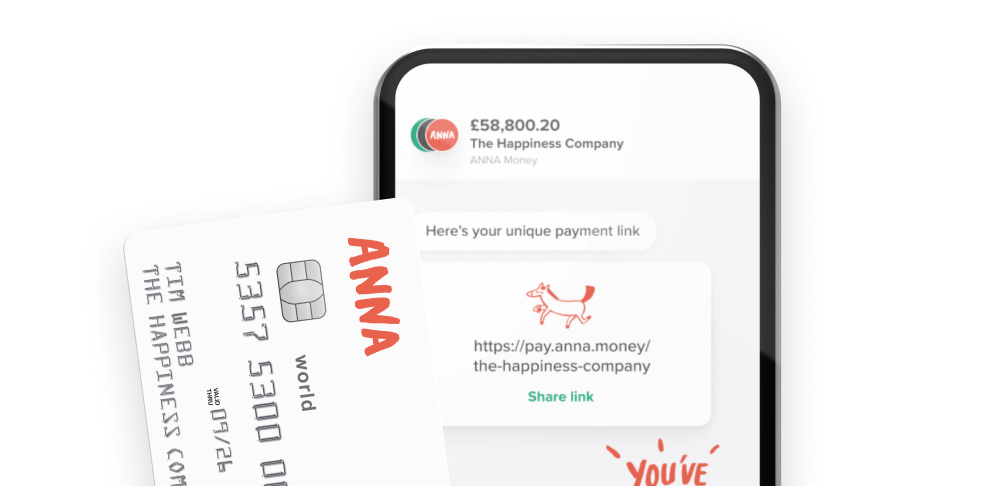
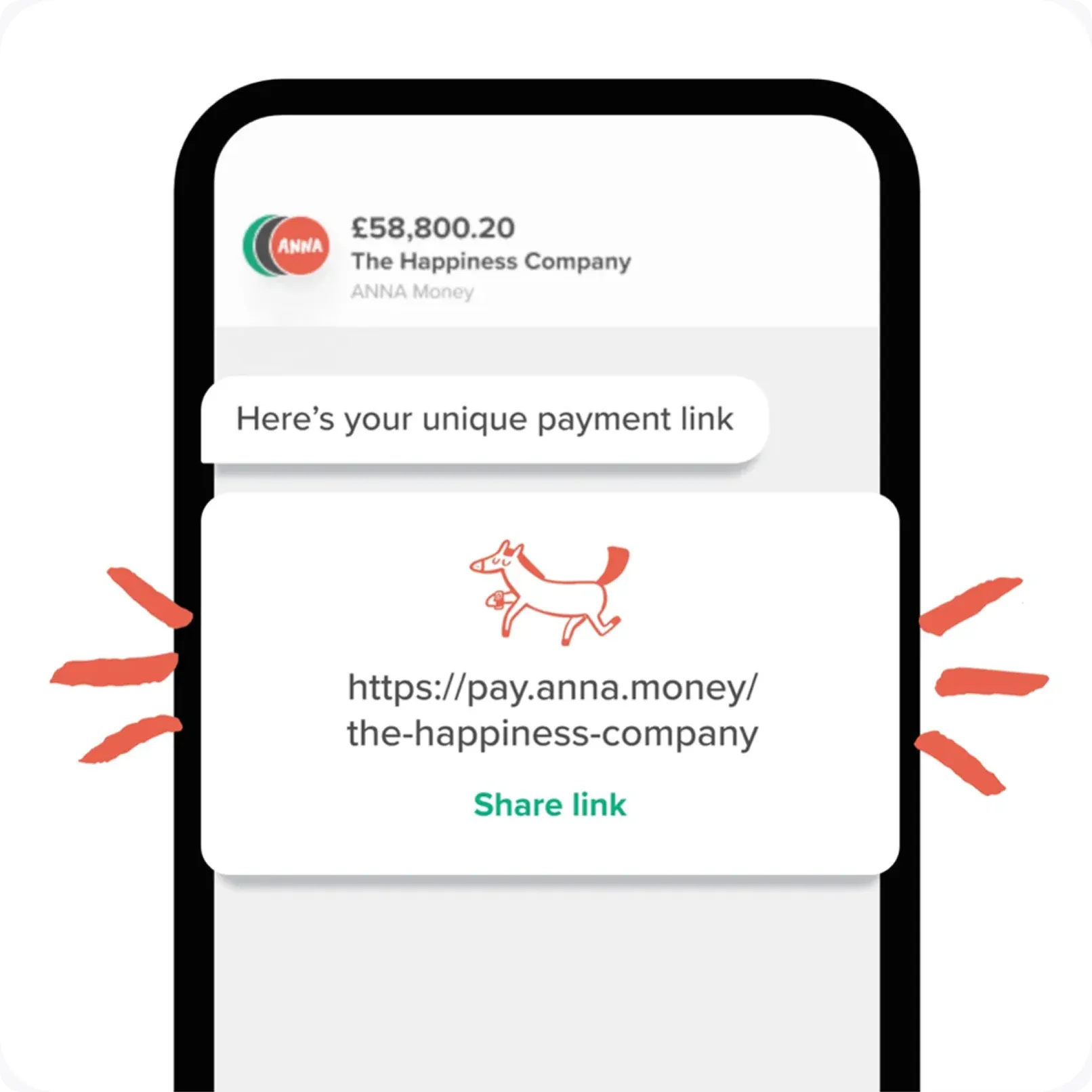
With our professional invoice generator, you can whip up and send invoices in seconds. Every invoice comes with a unique payment link, so clients can pay instantly, either with a QR code or via Stripe.
✨ Stay on top of taxes and compliance with extra support when you need it.
✨ Automatically categorise expenses to save time and stay organised.
Get started with ANNA today and start your digital marketing business with confidence.
FAQ
Not necessarily, but keeping business and personal finances separate makes bookkeeping, tax reporting, and tracking your business income and expenses much easier.
Yes. A digital marketing business can usually be run from home, which keeps your initial overheads low. You may still need to check whether you need permission from your landlord, mortgage provider, or local authority, depending on your circumstances.
You may want business insurance such as professional indemnity insurance, particularly if clients rely on your advice or services. The right cover depends on the type of work you do and the risks involved.
You can charge by the hour, by project, on a monthly retainer, or a combination of these. Your pricing should reflect the service you provide, your experience, the value you deliver to the client, and your own costs, rather than simply matching what other freelancers charge.
Read the latest updates

![What Is Marginal Relief? [Everything You Need to Know]](https://storage.googleapis.com/anna-website-cms-prod/small_cover_3000_130_1ef44f67d1/small_cover_3000_130_1ef44f67d1.webp)



You may also like

![How to Start a Fitness Business in 2026 [Step-by-Step Guide]](https://storage.googleapis.com/anna-website-cms-prod/small_Cover_3000_Landscaping_Business_Names_Creative_Name_Ideas_aaa987e130/small_Cover_3000_Landscaping_Business_Names_Creative_Name_Ideas_aaa987e130.webp)
![How to Start a Massage Therapy Business? [Complete Guide]](https://storage.googleapis.com/anna-website-cms-prod/small_Cover_3000_Landscaping_Business_Names_Creative_Name_Ideas_99e255e6ff/small_Cover_3000_Landscaping_Business_Names_Creative_Name_Ideas_99e255e6ff.webp)
![How to Start a Home Cleaning Business in the UK? [Guide]](https://storage.googleapis.com/anna-website-cms-prod/small_Cover_3000_Landscaping_Business_Names_Creative_Name_Ideas_238520116c/small_Cover_3000_Landscaping_Business_Names_Creative_Name_Ideas_238520116c.webp)
![How to Start a Poultry Farm Business in the UK? [Guide]](https://storage.googleapis.com/anna-website-cms-prod/small_Cover_3000_Landscaping_Business_Names_Creative_Name_Ideas_60080689ee/small_Cover_3000_Landscaping_Business_Names_Creative_Name_Ideas_60080689ee.webp)
![How to Start a Social Media Management Business? [Guide]](https://storage.googleapis.com/anna-website-cms-prod/small_Cover_3000_Landscaping_Business_Names_Creative_Name_Ideas_ffc57d2347/small_Cover_3000_Landscaping_Business_Names_Creative_Name_Ideas_ffc57d2347.webp)
![How to Start a Hotel Business in the UK? [Complete Guide]](https://storage.googleapis.com/anna-website-cms-prod/small_Cover_3000_How_to_Start_a_Car_Detailing_Business_Successfully_e82eaba3bd/small_Cover_3000_How_to_Start_a_Car_Detailing_Business_Successfully_e82eaba3bd.webp)
![How to Start a Car Detailing Business Successfully [Guide]](https://storage.googleapis.com/anna-website-cms-prod/small_Cover_3000_How_to_Start_a_Car_Detailing_Business_Successfully_af5c929357/small_Cover_3000_How_to_Start_a_Car_Detailing_Business_Successfully_af5c929357.webp)
![How to Start a Delivery Business in the UK [2026 Guide]](https://storage.googleapis.com/anna-website-cms-prod/small_Cover_3000_How_to_Start_a_Delivery_Business_in_the_UK_2025_0e1cced456/small_Cover_3000_How_to_Start_a_Delivery_Business_in_the_UK_2025_0e1cced456.webp)

![How to Start a Petrol Station Business in the UK [Guide]](https://storage.googleapis.com/anna-website-cms-prod/small_Cover_3000_Landscaping_Business_Names_Creative_Name_Ideas_78f637cb9c/small_Cover_3000_Landscaping_Business_Names_Creative_Name_Ideas_78f637cb9c.webp)
![How to Start a CBD Oil Business in the UK? [Complete Guide]](https://storage.googleapis.com/anna-website-cms-prod/small_Cover_3000_Landscaping_Business_Names_Creative_Name_Ideas_8e3b596ec1/small_Cover_3000_Landscaping_Business_Names_Creative_Name_Ideas_8e3b596ec1.webp)
![How to Start a Virtual Assistant Business from Home? [Guide]](https://storage.googleapis.com/anna-website-cms-prod/small_Cover_3000_How_to_Start_a_Virtual_Assistant_Business_from_Home_2277d4757c/small_Cover_3000_How_to_Start_a_Virtual_Assistant_Business_from_Home_2277d4757c.webp)
Open a business account in minutes
