





Explore what you need to know about Making Tax Digital for freelancers and learn how you can stay compliant and simplify your tax reporting.

- In this article
- Key points
- What is Making Tax Digital, and why is it important for freelancers?
- Who does MTD apply to?
- How MTD changes freelancers’ tax responsibilities
- Making Tax Digital for freelancers: All about MTD software
- Types of MTD software freelancers can use
- How ANNA helps freelancers stay MTD-ready for FREE
Making Tax Digital (MTD) is the biggest change to freelance taxes in the UK in decades. Starting in April 2026, thousands of freelancers will need to keep digital records and send quarterly tax updates instead of filing just one annual Self Assessment return.
If you’re self-employed, this change affects how you track income, manage expenses, and stay compliant with tax rules. While that might sound overwhelming at first, freelancers who prepare early often find that MTD makes their finances easier to manage.
This complete guide explains exactly what Making Tax Digital for freelancers means, who needs to comply, how the new system works, and how to prepare.
Key points
- Making Tax Digital will fundamentally changes how freelancers report taxes 📝
Instead of filing one annual Self Assessment return, freelancers must keep digital records, submit quarterly updates, and complete a final annual declaration using HMRC-compatible software. - MTD applies based on your freelance income, starting from April 2026 💰
Freelancers earning over £50,000 must comply from April 2026, followed by those earning over £30,000 in 2027, and those earning over £20,000 in 2028. This means that most freelancers will eventually need to comply with MTD requirements. - Freelancers must keep digital records and report income regularly 🖥️
You’ll need to track income, expenses, invoices, and deductions throughout the year and submit quarterly summaries. This makes bookkeeping an ongoing process rather than a once-a-year task. - MTD-compatible software is essential for compliance and easier financial management 🖱️
The right software helps freelancers keep compliant records, submit updates to HMRC, estimate taxes in real time, and stay organised. This reduces errors, saves time, and prevents last-minute stress.
What is Making Tax Digital, and why is it important for freelancers?
Making Tax Digital is HMRC’s plan to modernise the UK tax system. Instead of filing one yearly tax return, freelancers will report their income regularly using digital software.
Traditionally, many freelancers tracked income manually, often using spreadsheets, notes, or bank statements, and they calculated taxes once per year. This approach works, but it can lead to mistakes, missed expenses, and unexpected tax bills.
MTD changes this by introducing a system where freelancers are expected to:
- Keep digital records of income and expenses
- Submit quarterly summaries to HMRC
- Submit a final annual declaration to confirm their tax position
The goal isn’t just to increase compliance, but to help freelancers stay more organised and aware of their tax obligations throughout the year.
For freelancers, this shift reflects how modern businesses already operate: digitally, continuously, and in real time.
Who does MTD apply to?
MTD doesn’t apply to all freelancers immediately – it’s being introduced gradually based on income levels.
Here is the official rollout timeline:
| Start Date | Freelancer Income Threshold |
| April 2026 | Over £50,000 annually |
| April 2027 | Over £30,000 annually |
| April 2028 | Over £20,000 annually |
This income refers to your gross income from self-employment, not your profit.
For example, if you’re a freelancer earning £52,000 per year, you will need to follow MTD starting April 2026. If you're earning £35,000, your MTD responsibilities will begin in April 2027.
Even if your income is below these thresholds today, preparing early is beneficial because most freelancers will eventually fall within the scope.
How MTD changes freelancers’ tax responsibilities
MTD doesn’t change how much tax freelancers pay, but it does change how and when you report your income.
Instead of filing one Self Assessment return per year, freelancers now have to complete three key tasks:
1. Keeping digital records throughout the year
Under MTD, freelancers have to keep digital records of their business finances.
This includes:
- Income from freelance work
- Payments received from clients
- Business expenses
- Receipts and invoices
- Allowable deductions
Also, this has to be done with compatible software.
2. Submitting quarterly updates
One of the biggest changes under MTD is the introduction of quarterly updates. Freelancers must submit four updates per year, summarising their income and expenses.
Typical quarterly deadlines fall on:
- 7 August
- 7 November
- 7 February
- 7 May
These updates aren’t full tax returns – they’re summaries, and you can make adjustments later if needed.
For freelancers, this system has an important benefit: it reduces the risk of unexpected tax bills. Since you’re reporting regularly, it becomes easier to estimate your tax liability.
3. Submitting a final annual declaration
Even under MTD, freelancers still need to submit a final declaration at the end of the tax year. This confirms your final income, includes allowances, and calculates your exact tax bill.
This final step replaces the traditional Self Assessment submission, but the deadline remains the same: 31 January. The key difference is that most of your reporting will already be done through quarterly updates, making the final declaration simpler.
Making Tax Digital for freelancers: All about MTD software
Under MTD, freelancers must use compatible software to keep digital records and submit updates directly to HMRC. This replaces manual methods, like paper records or disconnected spreadsheets, and ensures your financial data can be shared accurately and securely with HMRC.
However, a good MTD software isn’t just about compliance. It should also be able to help you with the additional admin, such as:
Cash flow and income overview
Freelancers often juggle multiple clients and invoices at once. Modern MTD software provides a clear overview of your income and cash flow, showing pending payments, received payments, and outstanding invoices in one place.
By visualising your financial position in real time, you can make smarter decisions about budgeting, investments, or availability.
Automated expense tracking and organisation
A good MTD software goes beyond storing digital records. It often integrates directly with bank accounts, payment platforms, and invoicing systems.
Many tools also categorise transactions for you, match receipts to invoices, and allow you to capture receipts digitally. This removes the need for paper copies, saves time on bookkeeping, and reduces the risk of missing deductions.
Insightful reporting and business analysis
Beyond compliance, MTD software can generate reports that show trends in income, expenses, and profitability.
Freelancers can track which clients or projects are most profitable, identify where costs are rising, and make data-driven decisions. These insights turn raw financial data into actionable information that helps you run your freelance business more efficiently.
Types of MTD software freelancers can use
Freelancers have several options when choosing MTD-compatible software. The right choice depends on how complicated your finances are, how comfortable you are with bookkeeping, and how much automation you want.
Here are the main types of software available:
All-in-one finance apps
These platforms combine business banking, invoicing, expense tracking, and bookkeeping in one place. They are designed specifically for freelancers and sole traders, making them one of the easiest ways to stay MTD-ready.
Because your income and expenses flow through the same system, your records are automatically created and organised as you work. This reduces manual data entry and ensures your records stay accurate throughout the year.
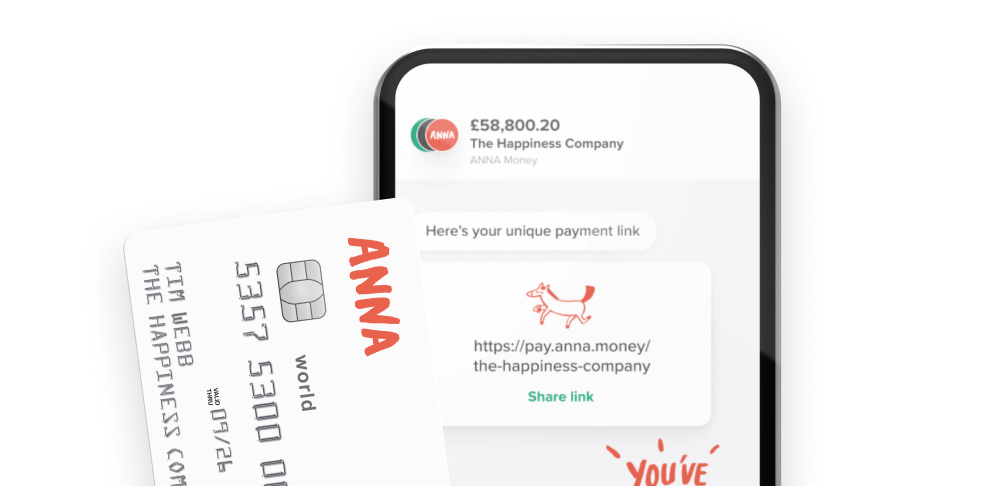
Apps like ANNA are particularly useful for freelancers because they combine your business account, invoices, and expenses into one streamlined system. This makes it easier to maintain digital records, monitor your income, and prepare for quarterly submissions.
Cloud accounting software
Cloud accounting platforms provide more advanced bookkeeping features. These tools allow freelancers to track income, manage expenses, generate reports, and submit updates to HMRC.
They are especially useful for freelancers with more complex finances, higher income, or an accountant who manages their books. These platforms typically require more manual setup and bookkeeping knowledge, but they offer detailed financial reporting and flexibility.
This option is often best suited to freelancers who want deeper financial insights or already work with an accountant.
Spreadsheet-based systems with MTD bridging software
Freelancers can still use spreadsheets, but they must be connected to HMRC through bridging software. This software links your spreadsheet data to HMRC’s system so you can submit updates.
However, this option requires more manual work and carries a higher risk of errors. It also lacks automation features like automatic expense categorisation and real-time tax estimates.
For most freelancers, dedicated software is a more efficient and reliable solution.
How ANNA helps freelancers stay MTD-ready for FREE
One of the easiest ways to prepare for MTD as a freelancer is to start using software that already handles the requirements for you.
With ANNA, MTD is free for both new and existing customers. When you open an ANNA account, ANNA will prepare and submit your 2025/26 Self Assessment at no extra cost.
If you have already filed your 2025/26 return using another platform, ANNA will refund what you paid once you open an account, giving you a fresh start.
Alongside MTD compliance, ANNA includes a full set of tools designed to simplify everyday financial admin:
- Automatic MTD quarterly updates: Prepares your records so quarterly submissions are ready to file on time.
- Year-end Self Assessment submission: Submits your final declaration directly to HMRC through the app
- Free 2025/26 Self Assessment filing: Connects with your HMRC account and unlocks free filing for the 2025/26 tax year
- Auto Accountant bookkeeping: Categorises transactions automatically and keeps your records organised
- 24/7 Auto Accountant support: Answers your tax questions anytime with clear, jargon-free guidance
- Automatic VAT calculations and filing: Calculates your VAT return and submits it to HMRC if you are VAT-registered
- Simple invoicing with card payments: Lets you create invoices and accept card payments so clients can pay faster
- Personalised tax calendar: Tracks important deadlines with reminders tailored to your business
- Payroll for one employee: Runs payroll with automated PAYE and National Insurance calculations
So get started with ANNA today, and take control of your freelance finances. And if you have questions along the way, help is always available in the app, 24/7.
Read the latest updates

![What Is the Threshold for Making Tax Digital? [Guide]](https://storage.googleapis.com/anna-website-cms-prod/small_cover_3057_f0f2ffd268/small_cover_3057_f0f2ffd268.webp)


![How to Sign Up for Making Tax Digital [A Detailed Guide]](https://storage.googleapis.com/anna-website-cms-prod/small_cover_3031_86f7f6f18a/small_cover_3031_86f7f6f18a.webp)
![MTD ITSA for Landlords [+6 Software Options Compared]](https://storage.googleapis.com/anna-website-cms-prod/small_cover_3025_77131ed4c8/small_cover_3025_77131ed4c8.webp)
![How to Choose the Best MTD Bridging Software [+Comparison]](https://storage.googleapis.com/anna-website-cms-prod/small_cover_3000_22_ba8f9dee9d/small_cover_3000_22_ba8f9dee9d.webp)
You may also like
![Making Tax Digital Costs: What Will MTD Cost You? [Breakdown]](https://storage.googleapis.com/anna-website-cms-prod/small_cover_3051_a896b063b0/small_cover_3051_a896b063b0.webp)
![9 Features to Look for When Choosing MTD Software [+Steps]](https://storage.googleapis.com/anna-website-cms-prod/small_cover_3000_32_ec1954cac9/small_cover_3000_32_ec1954cac9.webp)




Open a business account in minutes
